The Future of Work: Innovations in Sustainable Remote Work Solutions
KM
Introduction to Sustainable Remote Work
The landscape of work is evolving at a rapid pace, driven by technological advancements and a growing emphasis on sustainability. Remote work, once a perk, has become a standard practice for many businesses around the globe. In this context, sustainable remote work solutions are not only beneficial for the environment but also for enhancing productivity and employee satisfaction.
As we look towards the future, companies are increasingly adopting innovative strategies to make remote work more sustainable and efficient. This shift is reshaping the way we think about workspaces, technology, and collaboration.
Technology-Driven Innovations
Cloud-Based Solutions
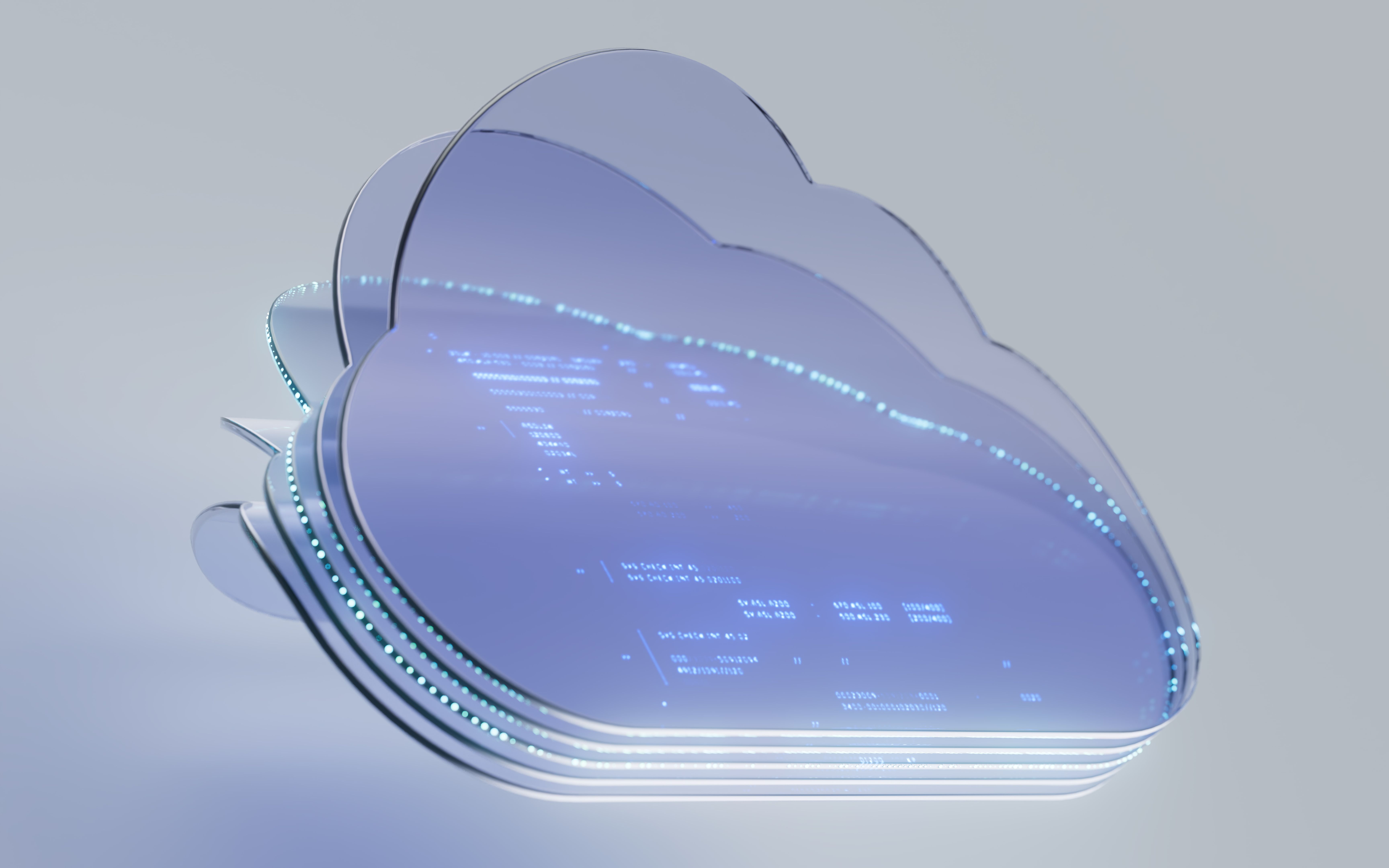
Cloud computing has revolutionized the way teams collaborate remotely. By storing data in the cloud, employees can access information from anywhere, reducing the need for physical office spaces and significantly lowering carbon footprints. Cloud solutions enhance data security and offer scalable resources that grow with the company's demands.
AI and Automation
The integration of artificial intelligence (AI) and automation in remote work is another key trend. These technologies streamline processes, reduce repetitive tasks, and enable teams to focus on more strategic activities. AI-driven tools can also facilitate better virtual communication and team collaboration.
Eco-Friendly Home Offices
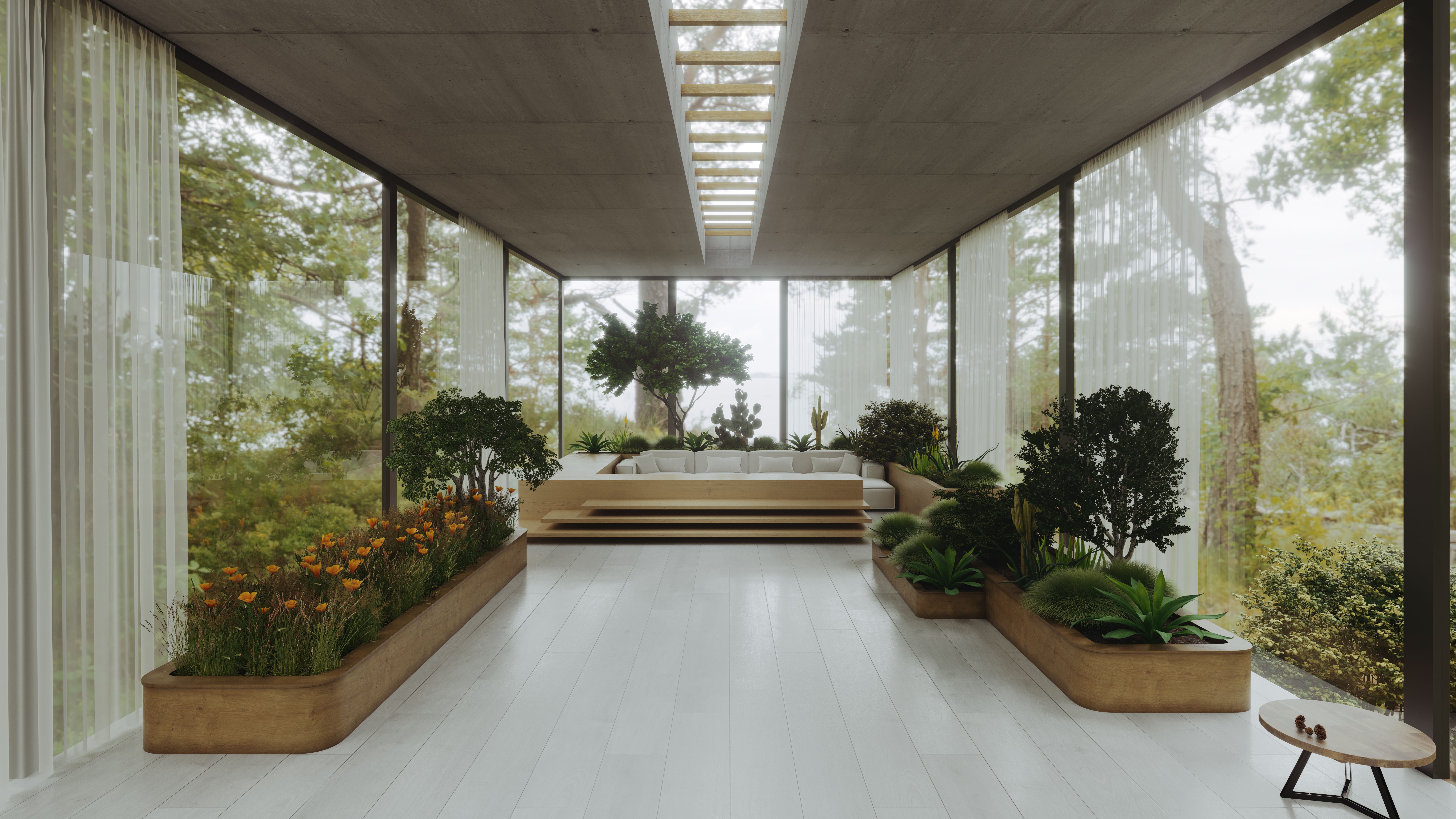
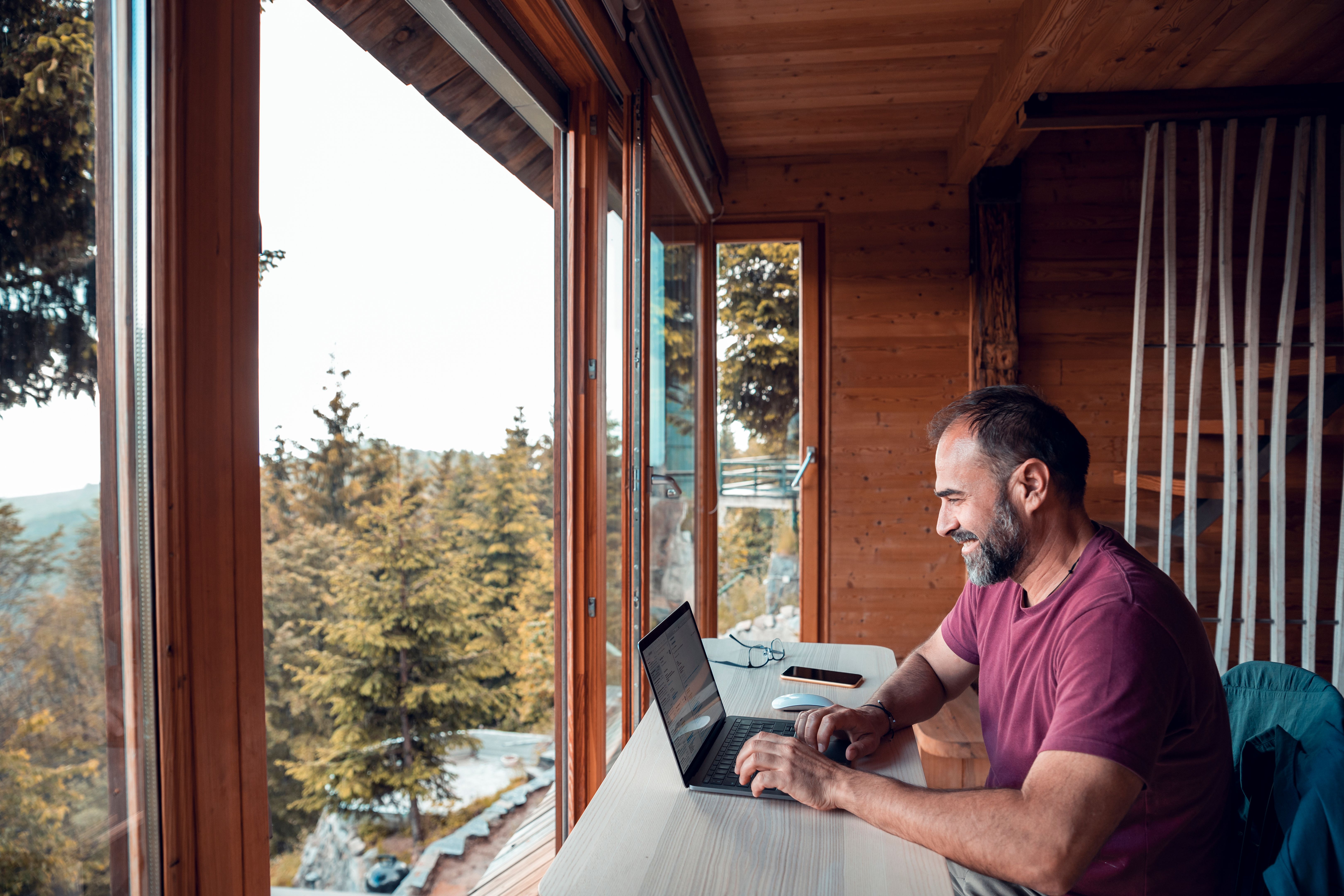
As remote work becomes more permanent, creating eco-friendly home offices is gaining importance. Employees are encouraged to set up sustainable workspaces by using energy-efficient devices, optimizing natural light, and incorporating plants to enhance air quality. These small changes can lead to big impacts in reducing energy consumption.
Many companies are offering incentives to employees who make their home offices more sustainable. This includes reimbursements for eco-friendly office equipment or subsidies for renewable energy use at home.

Flexible Work Schedules
Flexible work schedules are a cornerstone of sustainable remote work solutions. By allowing employees to set their own hours, companies can reduce peak-hour traffic and lower emissions associated with commuting. This flexibility also leads to improved work-life balance, which is crucial for maintaining employee well-being.
Organizations are exploring various models such as the four-day workweek or staggered schedules to support both productivity and sustainability goals. These approaches not only reduce environmental impact but also contribute to increased employee satisfaction.
Future Outlook
The future of work is undoubtedly leaning towards more sustainable practices. As businesses continue to innovate in this space, the focus will be on creating solutions that balance environmental responsibility with operational efficiency. The adoption of these sustainable remote work solutions will be crucial in shaping a healthier planet and a more engaged workforce.
By embracing these changes, companies can position themselves as leaders in sustainability while also attracting top talent who value environmentally conscious employers.